
Japan, a country where ancient traditions harmoniously blend with futuristic technology, is a captivating destination that offers a rich cultural heritage, stunning natural landscapes, and vibrant urban experiences. From the bustling streets of Tokyo to the serene temples of Kyoto, Japan promises a diverse range of attractions and activities. This comprehensive guide will take you through the must-see sights and hidden gems that make Japan a top tourism destination.
Major Cities and Urban Experiences
Tokyo: The Dynamic Capital
Tokyo, Japan’s capital, is a bustling metropolis known for its skyscrapers, shopping, and eclectic neighborhoods. Key highlights include:
- Shibuya Crossing: One of the busiest pedestrian crossings in the world, Shibuya Crossing is an iconic symbol of Tokyo’s dynamism. Nearby, you can visit the statue of Hachiko, the loyal dog.
- Tokyo Tower and Tokyo Skytree: Both towers offer panoramic views of the city. Tokyo Skytree, the taller of the two, is also home to an aquarium and a shopping complex.
- Asakusa and Sensō-ji Temple: Sensō-ji is Tokyo’s oldest temple, and Asakusa is known for its traditional shopping street, Nakamise-dori, which leads to the temple.
- Ginza: A luxurious shopping district with high-end boutiques, department stores, and fine dining. Don’t miss the Kabukiza Theatre, where you can watch traditional kabuki performances.
Kyoto: The Heart of Japanese Culture
Kyoto, once the capital of Japan, is renowned for its well-preserved temples, traditional tea houses, and beautiful gardens.
- Fushimi Inari Shrine: Famous for its thousands of vermillion torii gates, this shrine is dedicated to Inari, the Shinto god of rice and agriculture.
- Kinkaku-ji (Golden Pavilion): A stunning Zen Buddhist temple covered in gold leaf, reflected beautifully in the surrounding pond.
- Gion District: Known for its traditional wooden machiya houses and as a center for geisha culture. Stroll through the historic streets and visit tea houses and theaters.
- Arashiyama Bamboo Grove: A mesmerizing bamboo forest that provides a tranquil escape. Nearby, you can visit the Tenryu-ji Temple and the Iwatayama Monkey Park.
Osaka: The Nation’s Kitchen
Osaka is known for its modern architecture, nightlife, and delicious street food.
- Dotonbori: A lively entertainment area famous for its neon lights, street food stalls, and the iconic Glico running man sign. Try local delicacies like takoyaki (octopus balls) and okonomiyaki (savory pancakes).
- Osaka Castle: A historic castle with a museum that provides insights into Osaka’s history. The surrounding park is a popular spot for cherry blossom viewing in spring.
- Universal Studios Japan: A popular theme park featuring attractions based on famous movies and characters, including Harry Potter, Minions, and Jurassic Park.
Historical and Cultural Sites
Nara: Ancient Capital and Sacred Deer
Nara, Japan’s first permanent capital, is home to historic temples and friendly deer that roam freely in Nara Park.
- Tōdai-ji Temple: This temple houses the Daibutsu (Great Buddha), one of the largest bronze statues of Buddha in the world. The temple complex is a UNESCO World Heritage Site.
- Kasuga Taisha Shrine: A Shinto shrine famous for its thousands of stone and bronze lanterns, especially beautiful during the Lantern Festivals in February and August.
- Nara Park: Besides the temples, the park is known for its deer, which are considered sacred messengers of the gods in Shinto.
Hiroshima: A City of Peace
Hiroshima is a city with a poignant history and a powerful message of peace.
- Hiroshima Peace Memorial Park: This park is dedicated to the victims of the atomic bombing in 1945. Key sites include the Atomic Bomb Dome, the Peace Memorial Museum, and the Children’s Peace Monument.
- Miyajima Island: A short ferry ride from Hiroshima, this island is famous for the Itsukushima Shrine, known for its “floating” torii gate during high tide.
Natural Wonders
Mount Fuji: Japan’s Iconic Peak
Mount Fuji, Japan’s highest mountain, is an iconic symbol and a popular destination for hiking and sightseeing.
- Five Lakes Region: Located at the northern base of Mount Fuji, this area offers stunning views, hot springs, and outdoor activities. Lake Kawaguchi is particularly popular for its views of Mount Fuji.
- Climbing Mount Fuji: The official climbing season is from July to September. The most popular route is the Yoshida Trail, which provides huts for overnight stays and facilities along the way.
Hokkaido: Untamed Wilderness
Hokkaido, Japan’s northernmost island, is known for its natural beauty, outdoor activities, and winter sports.
- Sapporo: Famous for its annual Snow Festival in February, which features spectacular ice sculptures. Sapporo is also known for its beer, ramen, and ski resorts.
- Furano and Biei: These towns are famous for their picturesque flower fields, particularly lavender in summer, and stunning landscapes.
- Shiretoko National Park: A UNESCO World Heritage Site, Shiretoko is known for its unspoiled nature, wildlife, and beautiful hiking trails.
Cultural Experiences
Traditional Japanese Tea Ceremony
The Japanese tea ceremony, or chanoyu, is a cultural ritual involving the preparation and presentation of matcha (powdered green tea). Kyoto is an excellent place to experience a traditional tea ceremony, with many tea houses offering sessions for tourists.
Onsen (Hot Springs)
Japan is famous for its onsen, or hot springs, which are a popular way to relax and experience traditional Japanese culture. Some notable onsen towns include:
- Hakone: Located near Mount Fuji, Hakone is known for its hot springs, scenic views, and art museums. The Hakone Open-Air Museum is particularly famous for its outdoor sculptures and hot spring foot baths.
- Beppu: Located on Kyushu Island, Beppu is known for its diverse hot springs and unique hot spring experiences, such as sand baths and steam baths.
- Kusatsu: Located in Gunma Prefecture, Kusatsu is famous for its high-quality, sulfur-rich hot spring water and traditional bathing facilities.
Adult entertainment
Japan has a vibrant nightlife scene with plenty of options for adult entertainment. From bustling nightclubs to cozy izakayas and karaoke bars, there is something for everyone to enjoy. While Japan is known for its strict laws regarding adult entertainment, there are still legal options available for those looking to indulge.
As for escort services, Japan does have a thriving industry, but it is important to note that prostitution is illegal in the country. However, there are legal escort services that provide companionship and entertainment without crossing any legal boundaries (as for Japan only vaginal sex provided for money is considered prostitution). These services offer a variety of options, from dinner dates to social events, and can be a discreet and safe way to enjoy adult entertainment in Japan. It’s always important to do thorough research and make sure you are using a reputable and legal service.
Festivals and Events
Cherry Blossom Festivals
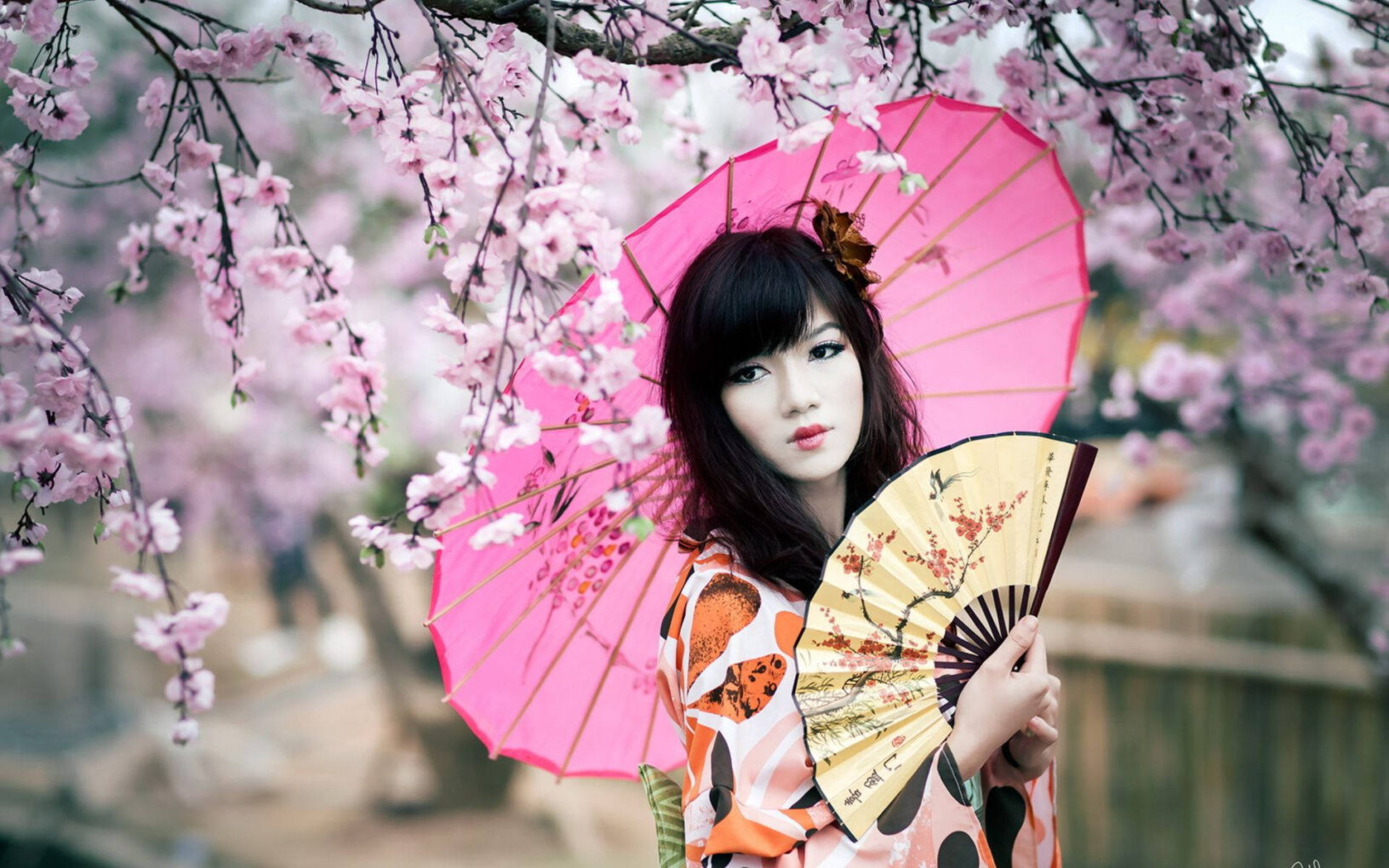
Spring in Japan is synonymous with cherry blossoms, or sakura, and numerous festivals celebrate this natural spectacle.
- Hanami: This traditional custom involves enjoying the beauty of cherry blossoms, often with picnics under the blooming trees. Ueno Park and Shinjuku Gyoen in Tokyo are popular hanami spots.
- Takayama Spring Festival: Held in April, this festival features beautifully decorated floats, traditional music, and performances.
Gion Matsuri
Held in Kyoto in July, Gion Matsuri is one of Japan’s most famous festivals. It features parades of elaborately decorated floats, traditional music, and street stalls. The festival spans the entire month, with the main events occurring on the 17th and 24th of July.
Practical Tips for Visiting Japan
- Visa Requirements: Many nationalities can enter Japan visa-free for short stays. Check visa requirements before traveling.
- Currency: The Japanese Yen (JPY) is the official currency. Credit cards are widely accepted in major cities, but it’s advisable to carry some cash, especially in rural areas.
- Language: Japanese is the official language, but English is commonly spoken in tourist areas. Learning a few basic Japanese phrases can enhance your experience.
- Best Time to Visit: The best time to visit Japan is during the spring (March to May) for cherry blossoms and autumn (September to November) for the vibrant fall foliage. Summer can be hot and humid, while winter is ideal for skiing and enjoying hot springs.
Conclusion
Japan is a destination that offers a rich tapestry of experiences, from its bustling cities and historic sites to its stunning natural landscapes and vibrant culture. Whether you’re exploring the neon-lit streets of Tokyo, wandering through the temples of Kyoto, or relaxing in a traditional onsen, Japan promises an unforgettable journey full of discovery and enchantment. With its warm hospitality, diverse attractions, and unique cultural heritage, Japan is a gem in East Asia, waiting to be explored. So pack your bags and get ready to uncover all that the Land of the Rising Sun has to offer.





No one commented yet. Be the first.